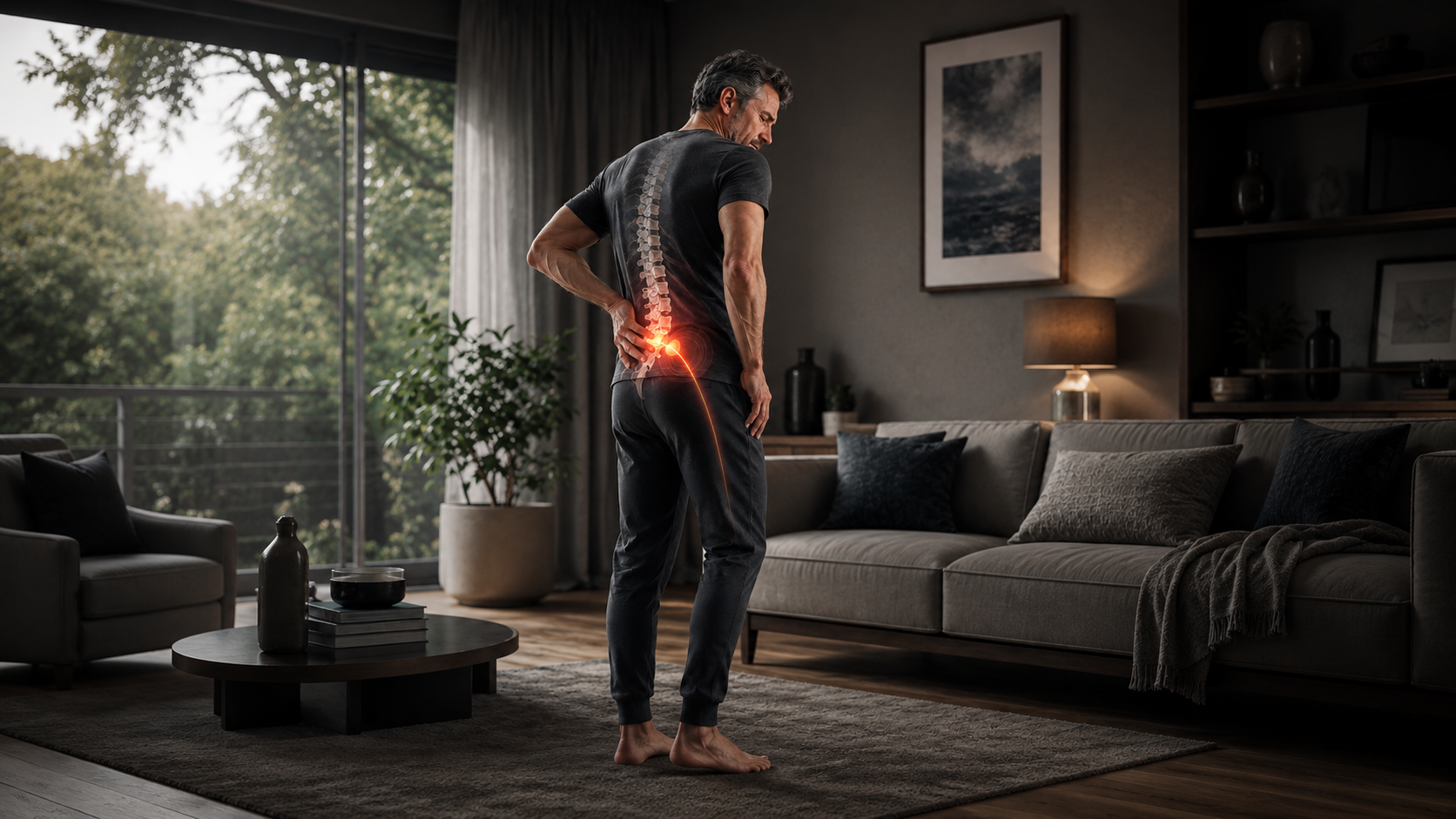
A herniated disc, sometimes called a slipped disc, is one of the most common causes of back pain and sciatica. While the name sounds alarming, many herniated discs improve with conservative treatment and do not require surgery.
However, for some patients, ongoing pain, numbness or weakness can significantly affect daily life. Understanding the available treatment options can help you make informed decisions about your care and know when it's time to seek specialist advice.
What Is a Herniated Disc?
Your spine is made up of a series of vertebrae separated by soft, cushioning discs. These discs absorb shock and allow your spine to move freely.
A herniated disc occurs when the tough outer layer of a spinal disc develops a tear, allowing the softer centre to bulge or leak out. If this material presses on a nearby nerve, it can cause pain, tingling, numbness or weakness.
Although herniated discs can occur anywhere in the spine, they most commonly affect the lumbar (lower back) and cervical (neck) regions.
What Causes a Herniated Disc?
Several factors can contribute to a disc herniation, including:
- Age-related wear and tear (disc degeneration)
- Repetitive lifting or twisting
- Heavy manual work
- Sudden injury
- Smoking
- Excess body weight
- A family history of spinal problems
In many cases, a herniated disc develops gradually rather than after a single injury.
Common Symptoms
Symptoms depend on which nerve is affected and how much pressure is being placed on it.
Typical symptoms include:
- Lower back pain
- Pain travelling into the buttock and leg (sciatica)
- Neck pain with pain travelling into the shoulder or arm
- Tingling or pins and needles
- Numbness
- Muscle weakness
- Difficulty walking or standing for prolonged periods
Some people may have a herniated disc visible on an MRI scan without experiencing any symptoms at all.
How Is a Herniated Disc Diagnosed?
Diagnosis begins with a detailed consultation and physical examination.
Your specialist will assess:
- Your symptoms
- Muscle strength
- Reflexes
- Sensation
- Walking pattern
- Range of movement
If nerve compression is suspected, imaging may be recommended.
An MRI scan is usually the best investigation because it provides detailed images of the discs, nerves and surrounding soft tissues. X-rays may also be used to assess spinal alignment or signs of arthritis.
Non-Surgical Herniated Disc Treatment
The good news is that most patients improve without surgery.
Treatment is tailored to each individual and may include a combination of approaches.
Physiotherapy
Physiotherapy is often the cornerstone of treatment.
A structured rehabilitation programme can:
- Improve spinal mobility
- Strengthen the muscles supporting the spine
- Reduce pressure on irritated nerves
- Improve posture and movement patterns
- Reduce the risk of recurrence
Remaining active is usually encouraged, as prolonged bed rest can delay recovery.
Pain Management
Medication may help control symptoms while the disc heals naturally.
This may include:
- Anti-inflammatory medication
- Pain relief
- Medication for nerve pain where appropriate
Your healthcare professional will advise on the most suitable option for you.
Spinal Injections
For patients with persistent nerve pain, image-guided spinal injections may provide significant relief by reducing inflammation around the affected nerve.
Although injections do not "fix" the disc itself, they can reduce pain enough to allow rehabilitation to progress more effectively.
When Is Surgery Recommended?
Surgery is usually considered only after conservative treatment has been explored, unless there are urgent neurological symptoms.
You may be referred for surgical assessment if you have:
- Severe leg or arm pain that has not improved
- Progressive muscle weakness
- Persistent symptoms affecting your quality of life
- Significant nerve compression confirmed on MRI
Emergency surgery may occasionally be required for rare conditions such as cauda equina syndrome, which requires immediate medical attention.
Minimally Invasive Surgery
If surgery is recommended, many patients are suitable for minimally invasive techniques.
One of the most common procedures is a microdiscectomy, during which the surgeon removes the portion of the disc pressing on the nerve through a small incision.
Compared with traditional surgery, minimally invasive procedures often offer:
- Smaller incisions
- Less muscle disruption
- Reduced postoperative pain
- Faster recovery
- Earlier return to normal activities
The most appropriate procedure depends on your individual diagnosis, symptoms and overall spinal health.
Recovery After Treatment
Recovery varies between individuals, but many patients notice gradual improvement over several weeks.
Following treatment, your recovery plan may include:
- Physiotherapy
- Walking programmes
- Core strengthening exercises
- Advice on lifting and posture
- Gradual return to work and sport
Following professional guidance can help reduce the likelihood of future problems.
When Should You See a Spine Specialist?
It's advisable to seek specialist assessment if:
- Your pain has lasted longer than six weeks
- Symptoms are becoming more severe
- Pain is affecting work or daily activities
- You have numbness or weakness
- Previous treatment has not been successful
Early diagnosis can often prevent symptoms from becoming more severe and allows treatment to begin before long-term nerve damage develops.
Frequently Asked Questions
Can a herniated disc heal without surgery?
Yes. Most herniated discs improve with time and conservative treatment, including physiotherapy and pain management.
How long does recovery take?
Many patients begin to improve within six to twelve weeks, although recovery varies depending on the severity of the condition and the treatment required.
Will exercise make it worse?
In most cases, gentle, guided exercise is beneficial. A physiotherapist can recommend exercises that are safe for your condition.
Is a slipped disc the same as a herniated disc?
Yes. "Slipped disc" is the commonly used term, although the disc does not actually slip. The medical term is herniated disc or disc prolapse.
When to Seek Expert Advice
If back or leg pain is affecting your quality of life, an assessment by a spinal specialist can help determine the underlying cause and identify the most appropriate treatment options. Many patients improve with non-surgical care, while others may benefit from advanced minimally invasive techniques. The key is receiving an accurate diagnosis and an individualised treatment plan based on your symptoms and goals.